

Newsroom
News
The latest product and company news
Company information
Stuff to come?? later??
Non-media inquiries
Follow Miraterra
Recent Highlights
funding announcement
All News
Newsfeed



News
The latest product and company news
Company information
Stuff to come?? later??
Non-media inquiries
Follow Miraterra
funding announcement
The DIS invests in dual-use technologies built by Canadian SMBs. We're one of them — and soil intelligence is exactly that. The same data that helps a farmer grow more food tells a government what's happening to its land.
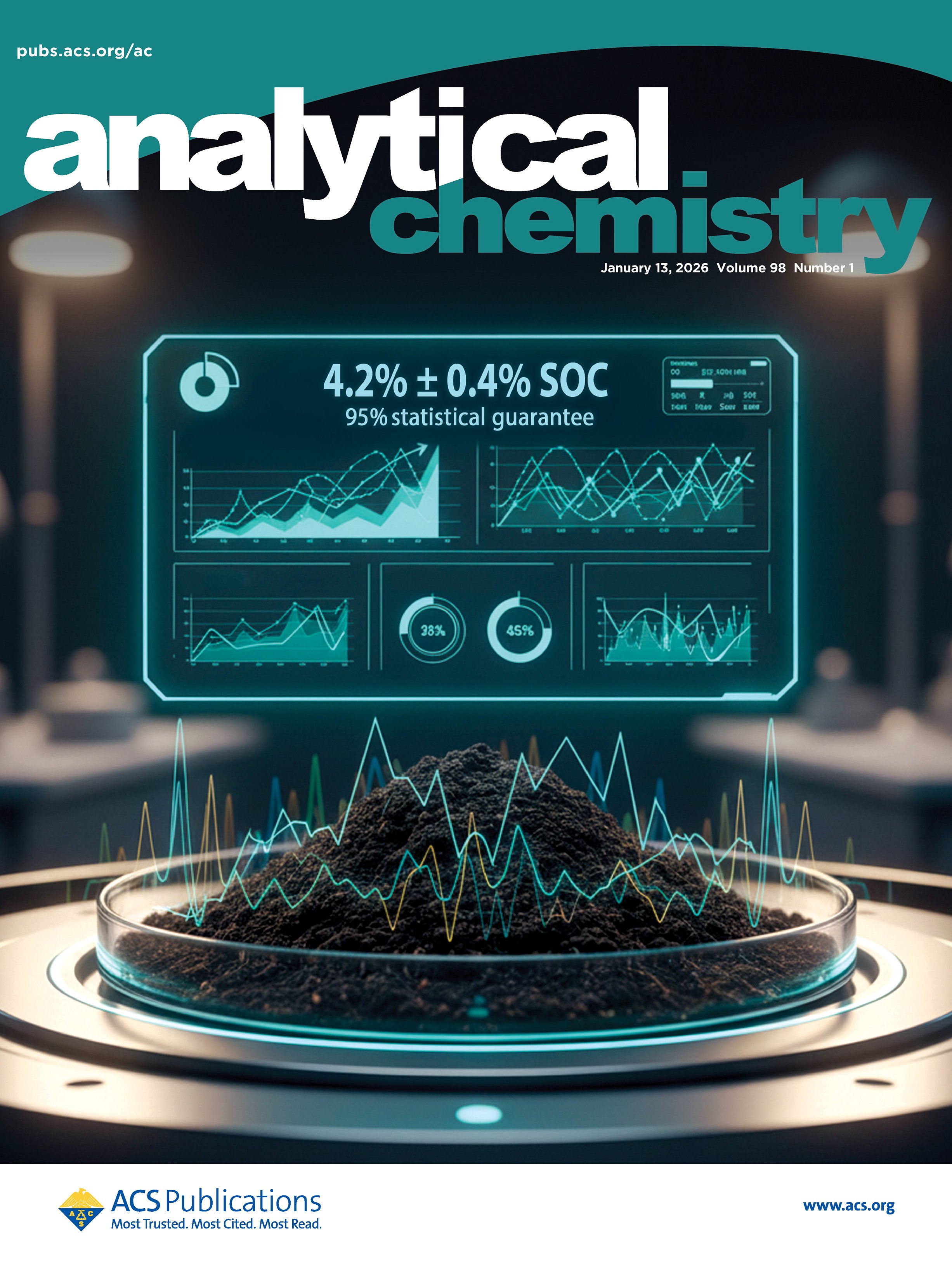
Identifying sources of measurement uncertainty is one of the first steps to producing reliable, usable data.
This groundbreaking research, conducted on data collected using Miraterra’s Raman Digitizer, investigates and quantifies factors that affect the reliability of Raman-based soil organic carbon (SOC) predictions.
Our win highlights the critical role innovation plays in the future of global agriculture. Nearly 70% of farmland topsoil is already degraded. This threatens food security, climate stability, and farmer profitability. Restoring it is one of the sector’s most urgent priorities.
At Miraterra, we are pioneering a new standard for soil intelligence that combines AI, spectroscopy and genomics to deliver actionable insights in minutes, at scale. In doing so, we are giving the land a voice.
Miraterra, a British Columbia-based technology company known for unlocking measurement and insight across soil, plants, and food through breakthroughs in Raman spectroscopy, has acquired the assets of Bay Area-founded Ag-tech company, Trace Genomics Inc., including the full suite of Intellectual Property (IP), in-market products, and an analytical lab in Ames, Iowa.
This strategic acquisition combines forces of two leading technology platforms to rapidly advance the field of soil-to-table measurement and insights — supporting agriculture and advancing the resilience and restoration of our global soil health.
Identifying sources of measurement uncertainty is one of the first steps to producing reliable, usable data.
This groundbreaking research, conducted on data collected using Miraterra’s Raman Digitizer, investigates and quantifies factors that affect the reliability of Raman-based soil organic carbon (SOC) predictions.